Getting Started with Mountain Biking
Curious about mountain biking but unsure where to start? Here you’ll find a simple introduction to different types of mountain biking, trail grading, common terms and helpful tips before your first ride.
On this page:
- What is mountain biking?
- Find your type of biking
- Understand trail grading
- Learn common biking terms
- Equipment and protection
- Start at the right level
What is mountain biking?
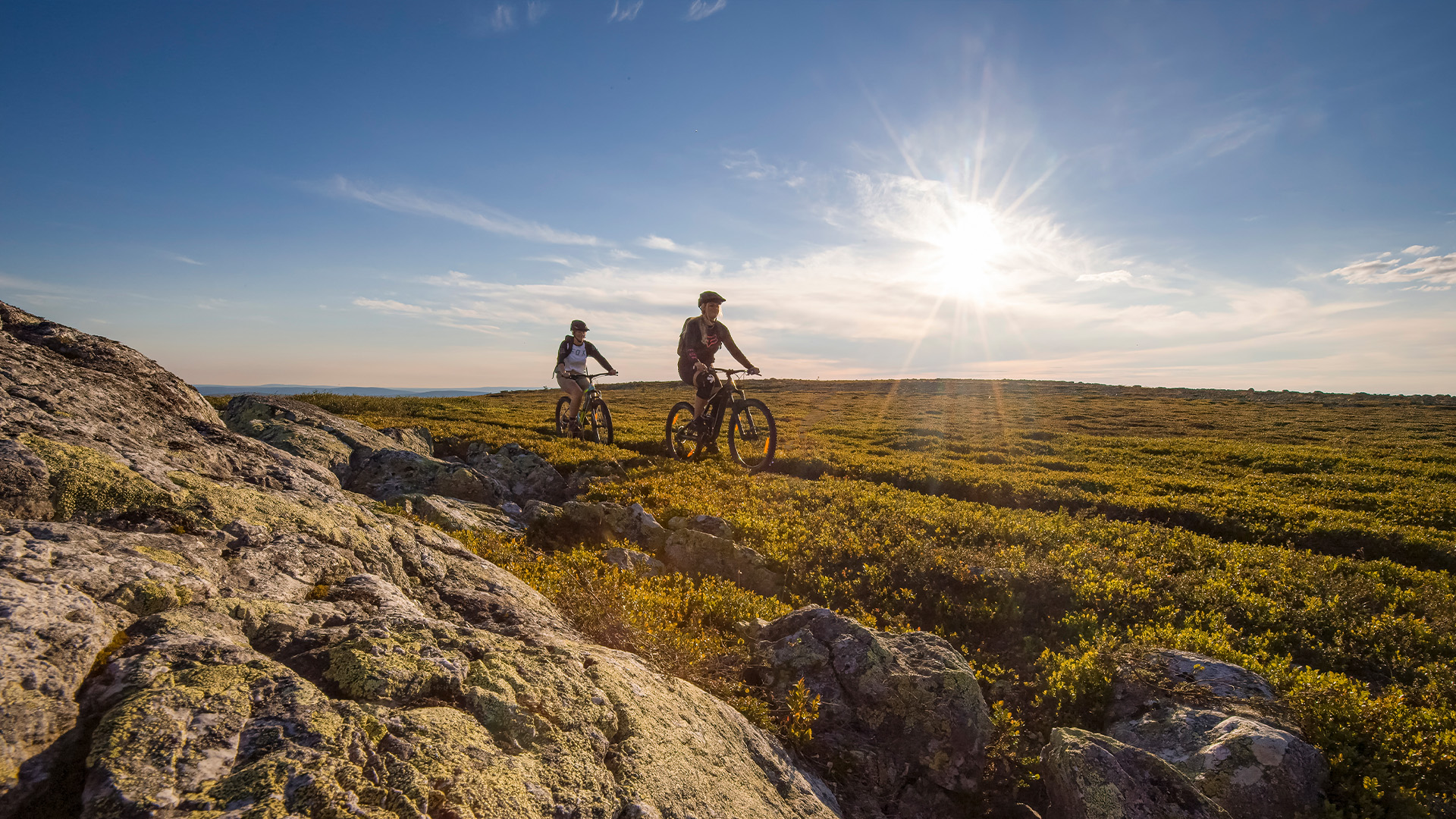
Mountain biking is all about riding off paved roads – from calm gravel roads to winding forest trails, rocky sections and purpose built bike trails.
There are many forms of mountain biking, and you do not need to be an expert or thrill-seeker to get started.
With the right starting point and gradual progression, beginners of all ages can discover just how fun riding off-road can be.
Different types of mountain biking
Trail Biking and Trail Park
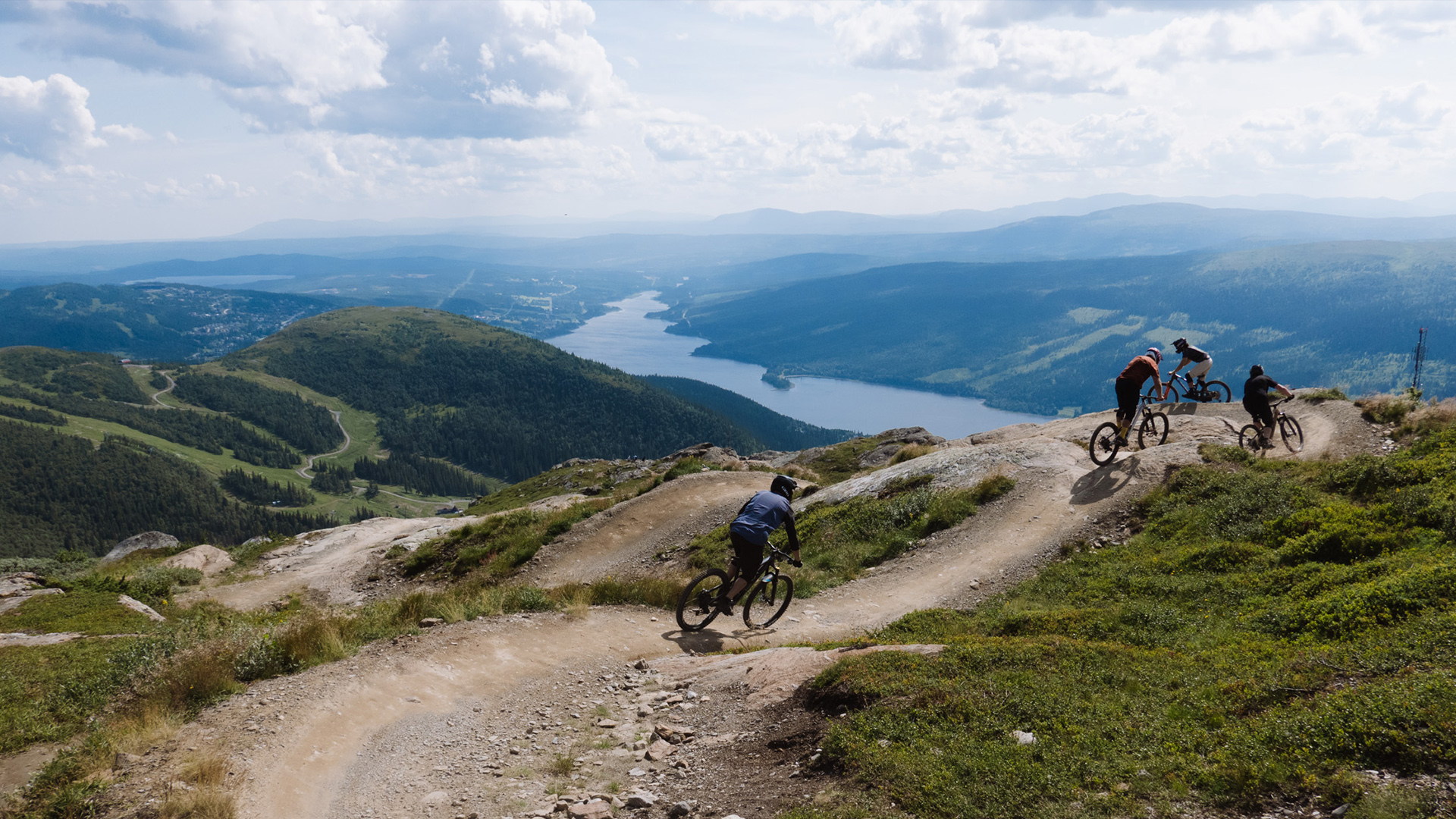
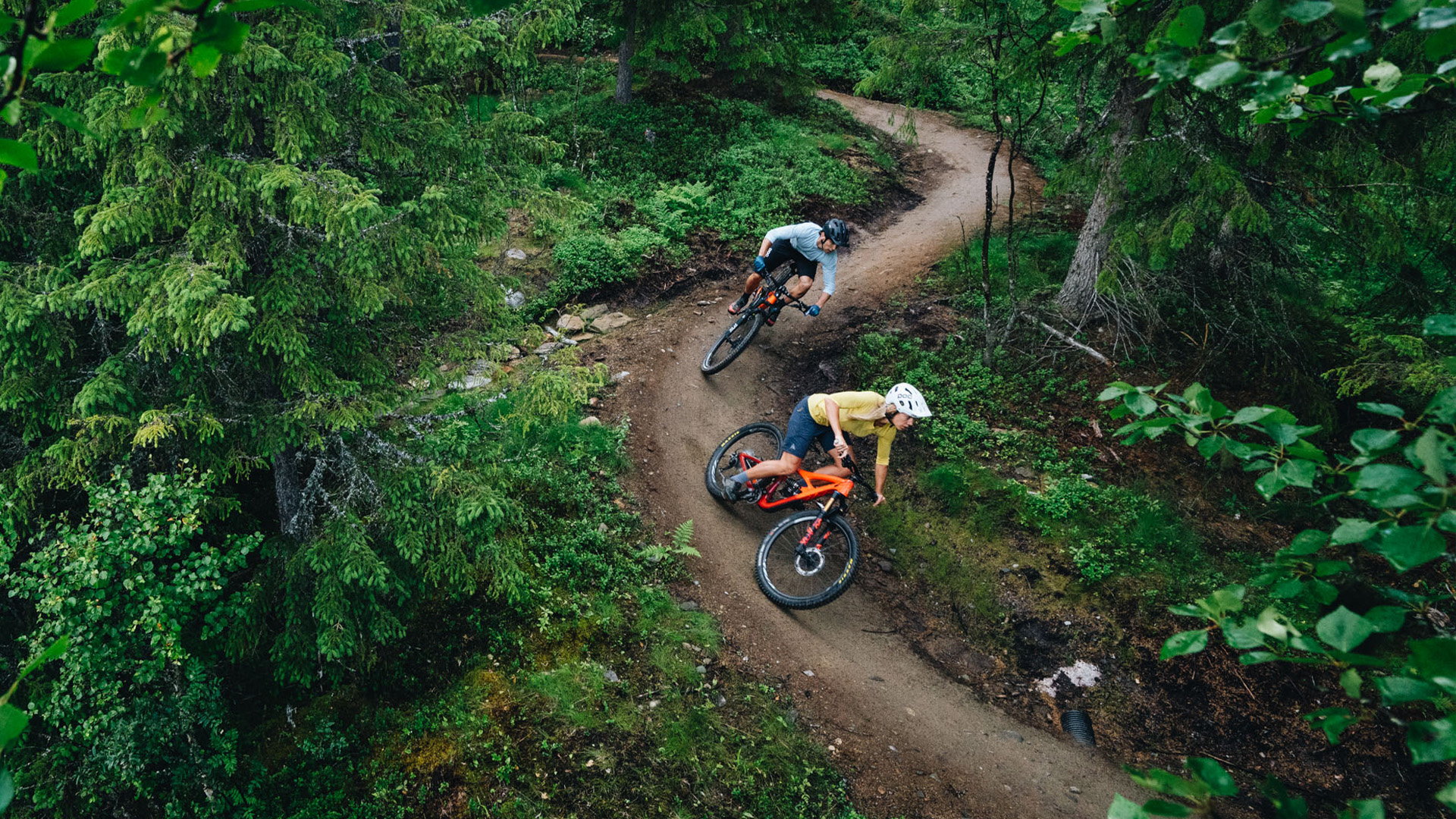
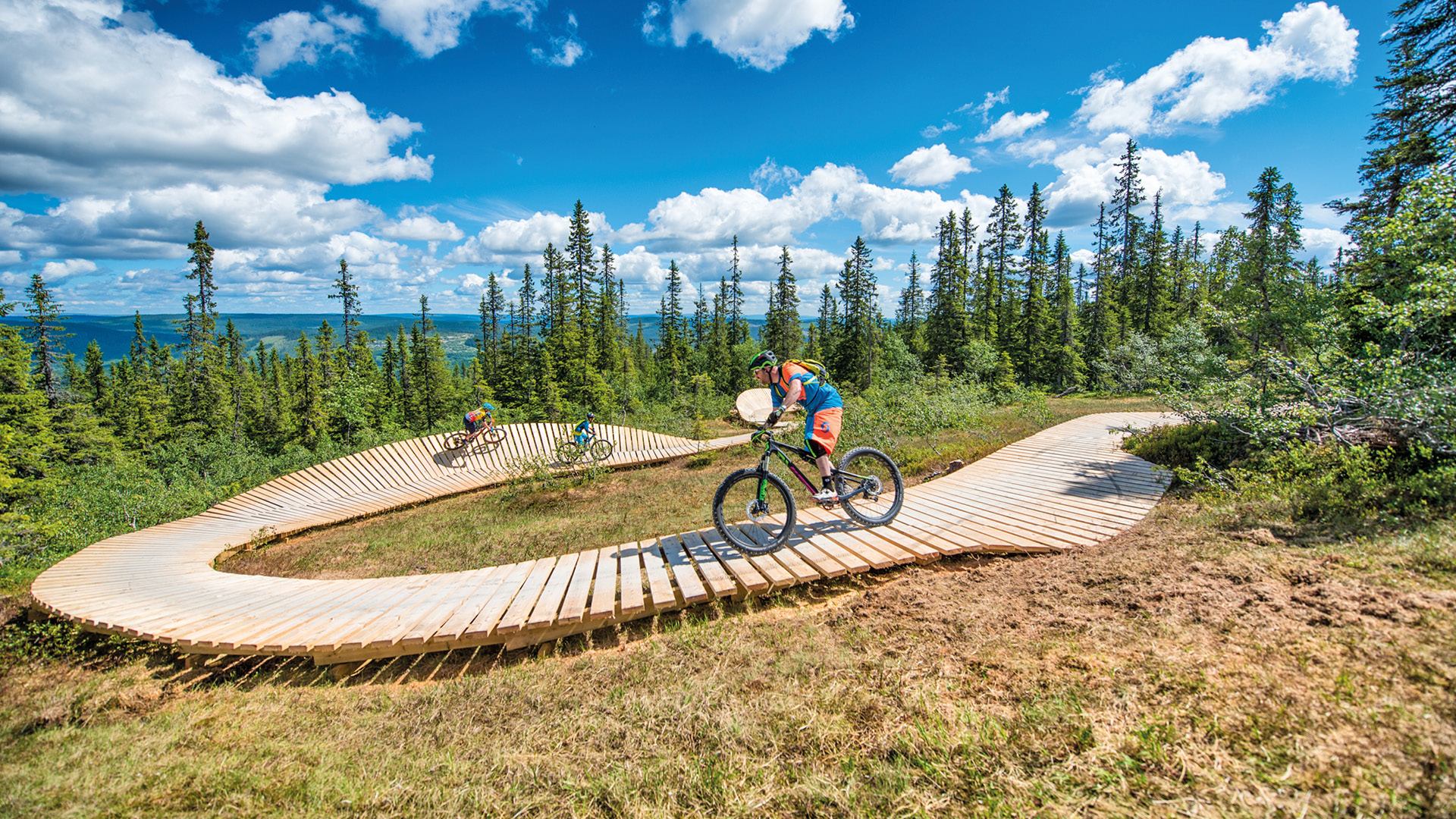
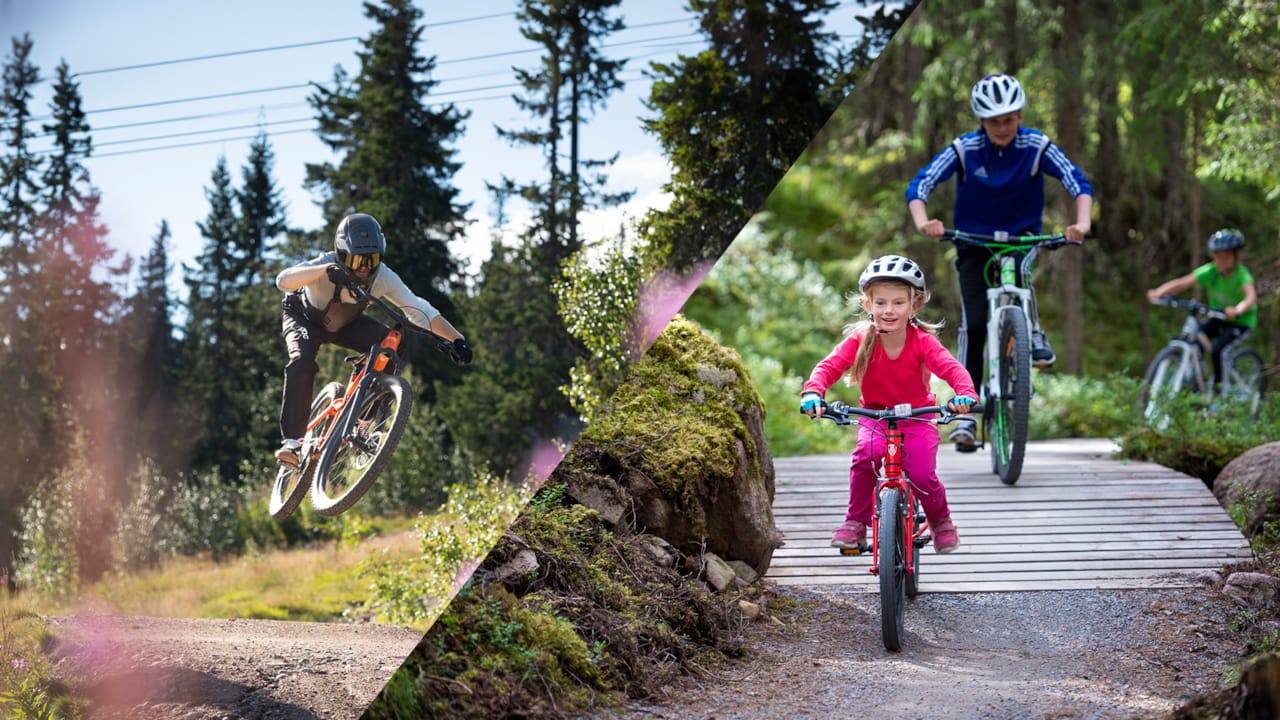
Trail biking involves riding on natural or purpose-built trails through forests and mountains. It is often about flow, rhythm and enjoying nature as you work your way through turns, small obstacles and varied terrain at your own pace.
If you are new to mountain biking, trail biking is often the best place to start. At SkiStar destinations, Trail Park is the shared term used for areas designed for trail biking.
In a Trail Park, you usually ride back to the trail head using your strenght.
Lift Assisted Biking and Bike Park
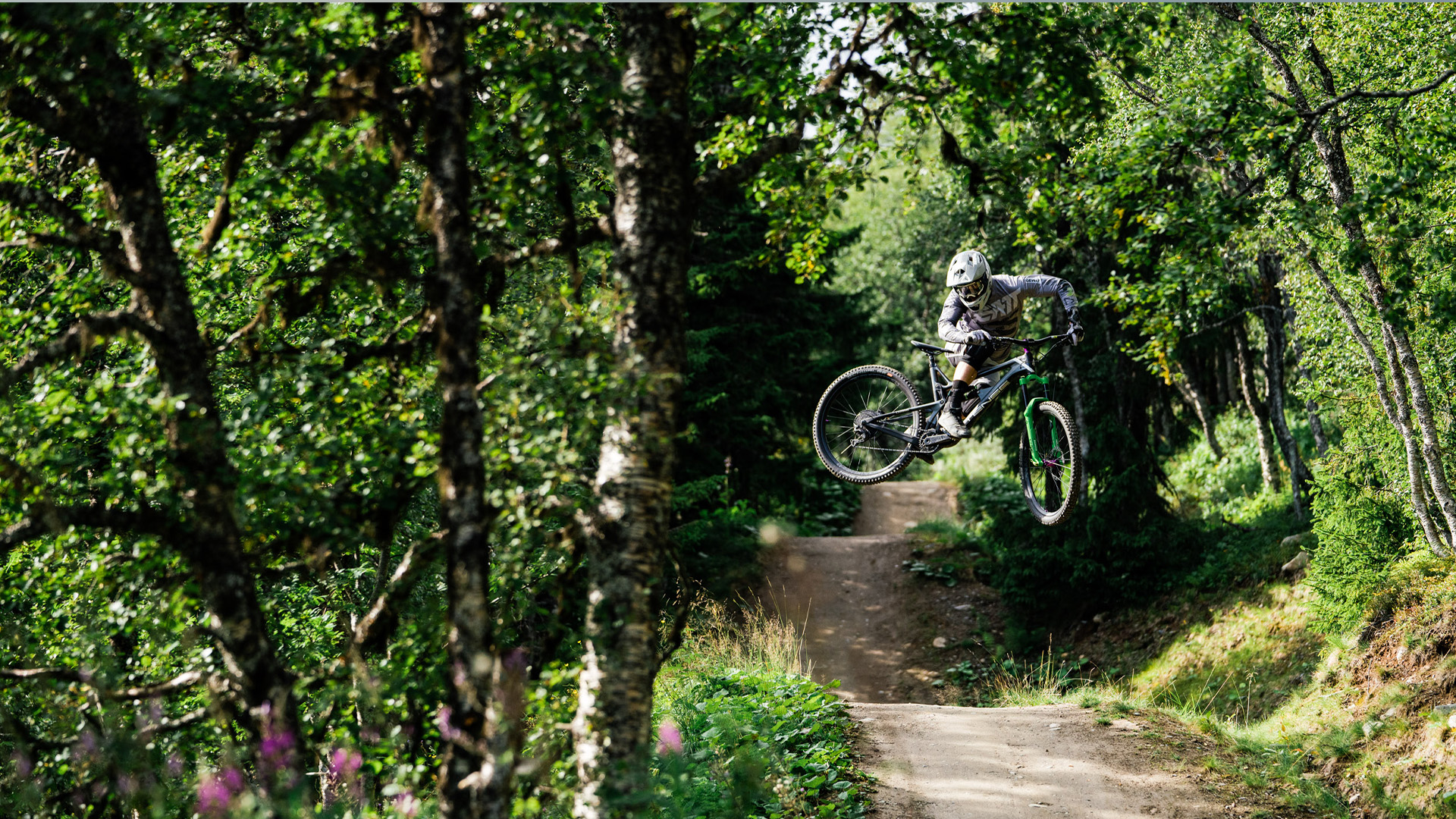
Lift assisted biking means taking the lift up and riding down on purpose-built trails. This type of biking often includes more speed, bigger features and a more action-focused experience than traditional trail biking.
Lift assisted biking is ideal for riders looking for speed, excitement and long descents, but it is recommended that you first feel comfortable on blue trails in a Trail Park and have basic riding technique in place.
At SkiStar destinations, Bike Park is the term used for areas offering lift assisted biking.
Skills Park
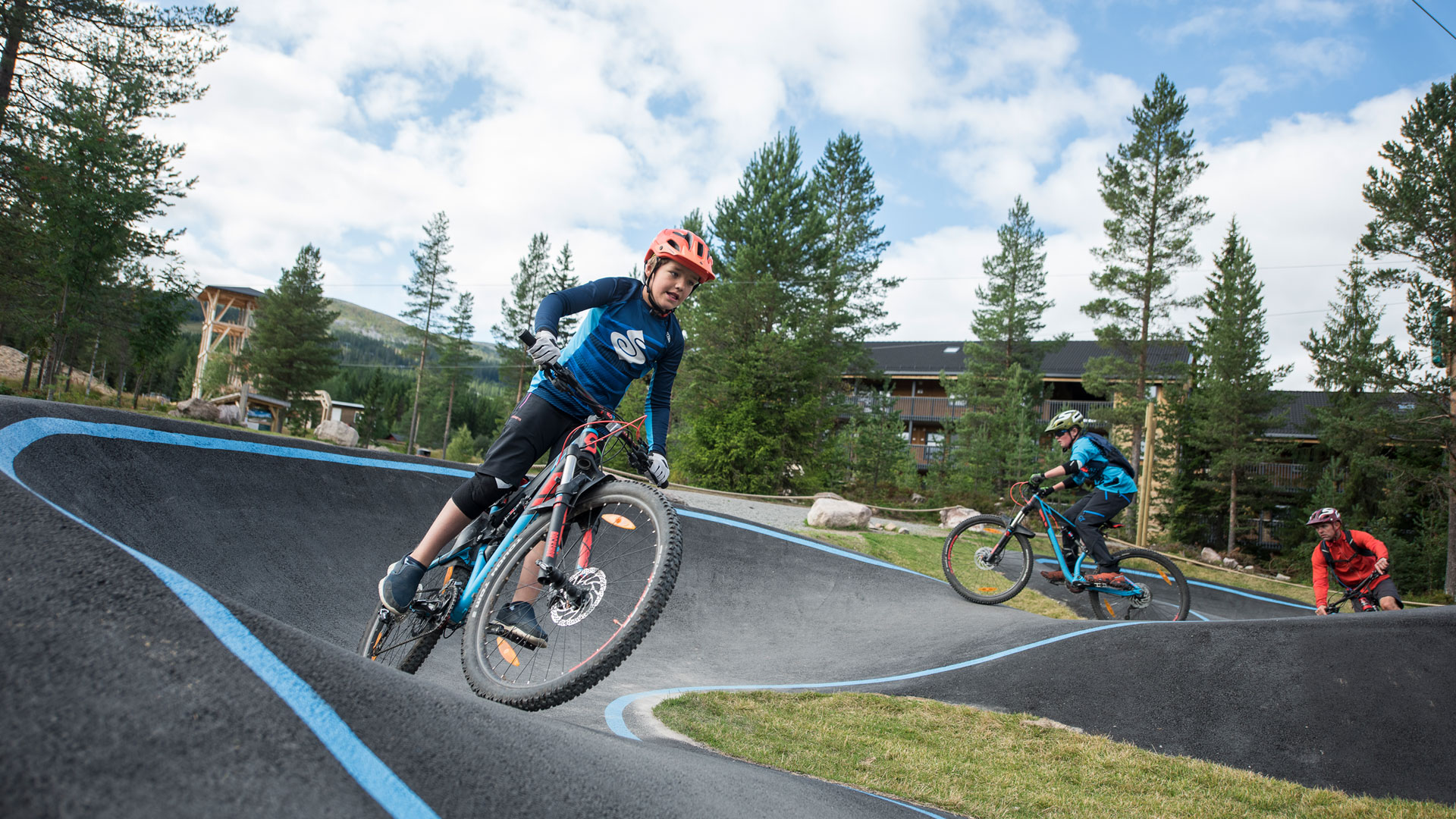
A Skills Park is an area where you can practise technique, balance and control in a safe environment. Here you will often find pump tracks, small practice jumps, berms and technical features designed for learning and progression.
Skills Parks are ideal for children, beginners and experienced riders alike who want to improve their skills.
Gravity Biking
Gravity biking is a collective term for mountain biking focused more on descending than climbing, such as freeride, downhill and lift assisted biking.
Understand Trail Grading
Just like ski slopes, bike trails follow a grading system. This makes progression easier and choosing the right trail safer.
Green Trail
Green trails are the easiest trails and are designed to provide a safe and fun introduction to mountain biking. These are often found in Trail Parks or children’s areas.
Blue Trail
Blue trails suit riders with basic experience and often feature moderate speed, easier turns and fewer technical challenges.
Please note that a blue trail in a Trail Park often feels easier than a blue trail in a Bike Park. It is therefore recommended that you feel confident on blue Trail Park trails before trying lift assisted biking.
Red Trail
Red trails are more demanding and often include higher speeds, larger features and more technical sections. These suit riders looking for more of a challenge who already have good bike control.
Black Trail
Black trails are highly demanding and suited to experienced riders with strong technique, control and experience in challenging terrain.
Common Mountain Biking Terms
If you are new to mountain biking, you will quickly come across plenty of new words and expressions. Here are some of the most common terms you will encounter on the trails.
Blue trails are the easiest trails in Trysil Bike Park and are suited to riders with basic experience.
Red trails are more demanding, with higher speeds and larger features.
Black trails are the most demanding trails and are suited to highly experienced riders with good technique and control.
A flow trail is a trail with few technical elements, designed for higher speeds, berms and a smoother riding experience.
A technical trail is a trail with roots, rocks and other challenges that require more balance, control and technique.
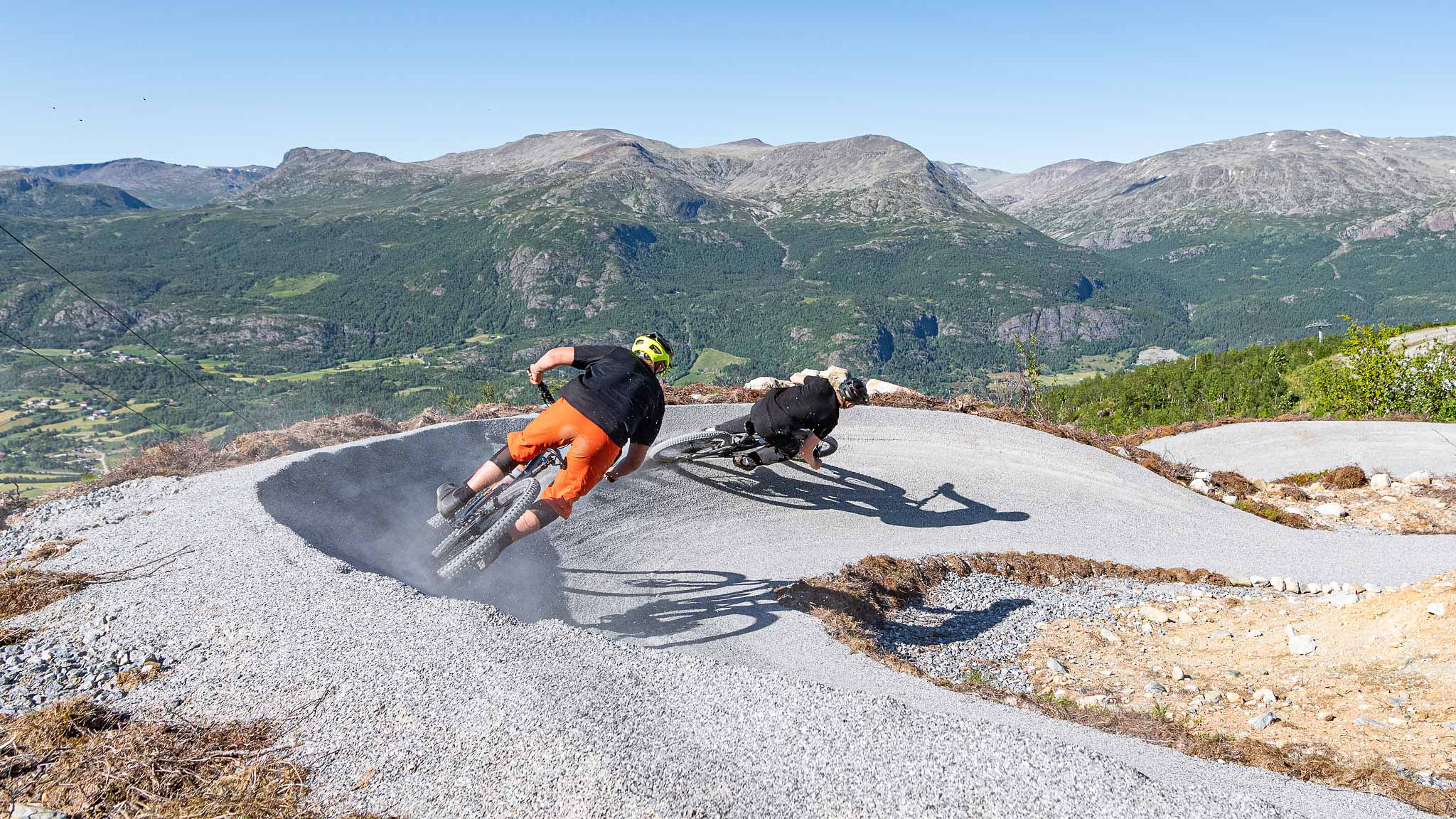
A berm is a built-up corner that makes it easier to maintain flow and control through the turn.
A drop is a section where you ride off an edge and land lower down.
A chicken line is an easier line that allows you to avoid a more difficult feature.
A bike stop is a place where you can stop safely and let other riders pass.
A jump line is a trail or section built for multiple jumps in sequence with good flow.
A wallride is a built feature where you ride diagonally up a wall or wall-shaped surface through a turn.
A Trail Hub is a natural meeting point between several trails.
What Equipment Do You Need?
You do not need the most expensive equipment to get started, but the right bike and protective gear will make the experience safer and more enjoyable. For beginners, hiring a bike and protective gear is often the easiest way to get modern and suitable equipment.
Common Bike Types
- Mountain Bike: A general term for bikes built for riding off-road.
- E-bike: A bike with an electric motor that provides extra support on climbs and longer rides.
- Trail Bike: A versatile mountain bike designed for trail riding and varied terrain. These are often used in Trail Parks, and when hiring you can look for bikes suited to Trail Park riding.
- Downhill Bike: A heavy-duty bike built for steep and demanding descents. These are ideal for Bike Park riding, and when hiring you can look for bikes suited to Bike Park use.
- Hardtail: A bike with front suspension only, often lightweight and efficient for easier trail riding.
- Full Suspension: A bike with suspension front and rear, offering greater comfort and control in rough terrain.
If you do not have your own bike or are unsure what to use, you can easily hire a bike and protective gear at our destinations.
Protection
A helmet is always essential when biking, and for more demanding riding we also recommend gloves, knee pads and other protective equipment.
When riding lift assisted trails in a Bike Park, full-face helmets and back protection are more common and more important than in regular trail biking, as speed and impact levels are often higher.
Five Tips for Mountain Biking in the Mountains
- Do not be afraid to take it slow
Everyone starts somewhere, and it is better to take things slowly and practise your technique in a Skills Park before tackling the toughest trails. - Relax
It is difficult to ride well if you are stiff and tense. Relax, bend your arms and legs, and let your body move naturally with the terrain. - Stay Mobile
Move actively while riding – on climbs you should place more weight over the front wheel, while on descents you should adjust your body position over the bike for better balance and control. - Look Ahead
If you stare at the obstacle you want to avoid, chances are you will hit it. Instead, look beyond obstacles and focus on the line you want to ride. - Brake Smoothly
Mountain bike brakes are powerful, and often one or two fingers are enough to control your speed. Practise braking smoothly and with control rather than grabbing the brakes suddenly.
Where Should You Start?
Find the Right Level from the Beginning
If you are unsure where to begin, it is usually recommended to start with a Trail Park, Skills Park or easier trail biking. Here you can build fundamental technique, confidence and understanding of how the bike behaves on different terrain.
Once you feel comfortable on blue trails, cornering, braking and maintaining basic control, you can gradually explore more demanding terrain and lift assisted biking.
Get Help Getting Started
Our destinations also offer basic bike lessons, perfect for families, groups of friends and anyone wanting a safe introduction to the sport.
The most important thing is to start at the right level, build experience step by step and enjoy the process. Once the confidence and sense of achievement kick in, it is easy to understand why so many people fall in love with mountain biking.
Choose Where You Want to Ride