When the Cold Stops the Lift
Standing on top of a mountain in sparkling sunshine and crisp air is magical, but when the temperature drops, our ski resorts are faced with difficult decisions. Closing a lift due to extreme cold isn’t just about chilly toes, it’s about keeping you and our staff safe.
Why Do We Close the Lifts?
The most important reason we pause operations in severe cold is the safety of both our guests and our staff.
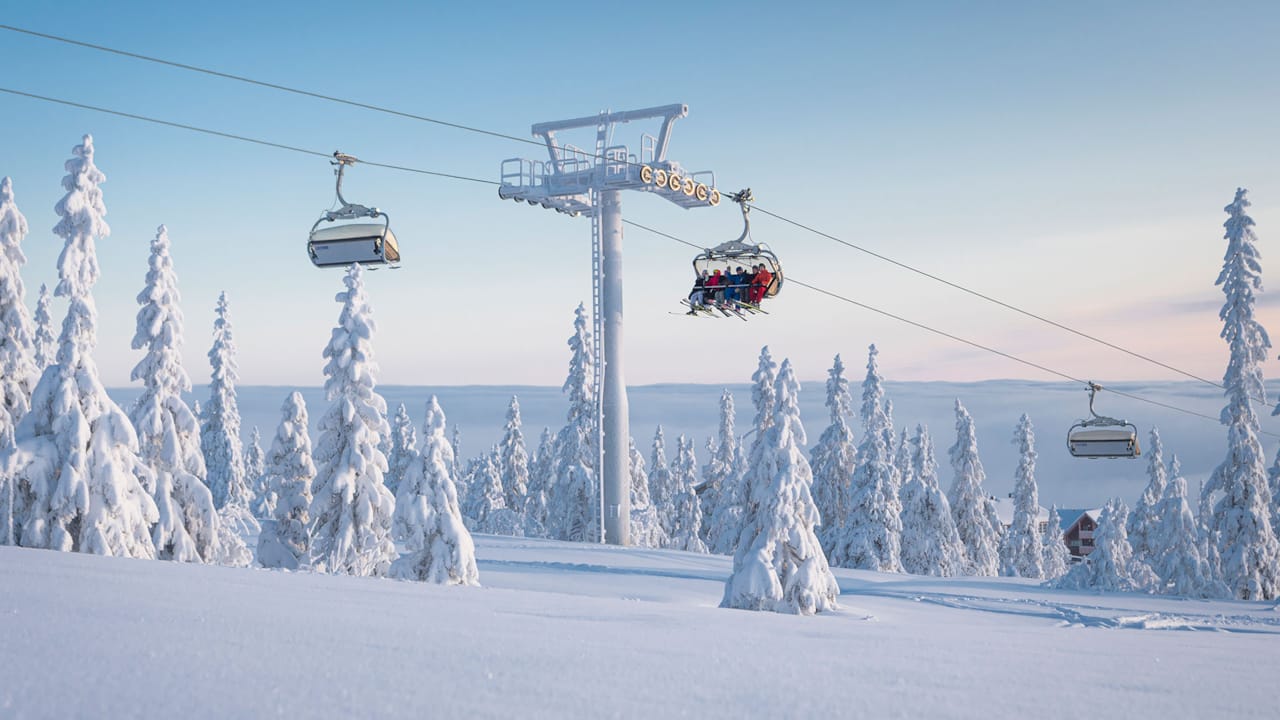
When the temperature drops toward –20°C, the risks increase in the event of a lift stoppage. If the lift were to halt and you were left sitting high above the ground in extreme cold, the situation could quickly become dangerous. Cooling occurs within just a few minutes, and an evacuation is demanding for both you as a guest and for our rescue team, who must be able to work safely in the lift towers.
What Is Wind Chill?
It is rarely the actual temperature that is the biggest issue, but the combination of wind and cold – known as wind chill. When deciding whether to close a lift, we look not only at the thermometer but also at the wind.
As a skier, you also create your own wind. This means that –15°C when standing still can feel like –25°C at 30 km/h. We do everything we can to keep our lifts open, but the safety of our guests and staff always comes first.
Learn to Recognise the Warning Signs of Frostbite
Symptoms to react to:
Skin becomes red, tingling, or burning. If it turns white and waxy, the frostbite is more severe, often visible on the nose, cheeks, or ears.
What to do:
- Go indoors immediately, don’t try to take one more run.
- Warm up gently. Use body heat, e.g., a warm hand against the area.
- Do not rub the skin, it is delicate and can be damaged.
- Use lukewarm water (around 37°C) for cold feet, not hot water.
Our Best Tips for Staying Warm on the Slopes
- Skip the morning face wash. Natural skin oils protect against cold. Avoid washing your face right before going out and skip water‑based creams.
- Choose wool. Merino wool keeps you warm even when damp, unlike cotton.
Protect your cheeks. Use a buff or pull your jacket collar up to shield against wind. Replace the buff if it becomes damp from your breath. - Keep the body moving. Wiggle toes and fingers when standing still. Use heated insoles or socks and make sure boots aren't too tight.
- Look out for each other. If you see white patches on someone’s cheeks or nose, get them indoors immediately.
- Extra attention for children. Kids cool down faster and need more frequent breaks.
- Fuel up. A body with energy stays warm longer. Carry a snack or raisins.
- Plan your breaks. Agree to go indoors every 45–60 minutes on very cold days.
- Layer up. Pack an extra fleece or wool sweater just in case.
Tips for Our Smallest Adventurers
Children are our most precious guests, and they are also the most sensitive to cold. They get cold faster than adults and need a little extra care when the temperature drops.
Keep a Close Eye
Children often don’t notice when they are getting too cold. Watch their cheeks, the tip of their nose, and their little fingers.
Double Mittens
Layering works for hands too: a thin wool glove or mitten next to the skin, with a warm, wind‑ and moisture‑resistant mitten on top.
Take several breaks
Go inside and warm up often, drink something warm, and make sure the body has a chance to recover before heading out again.