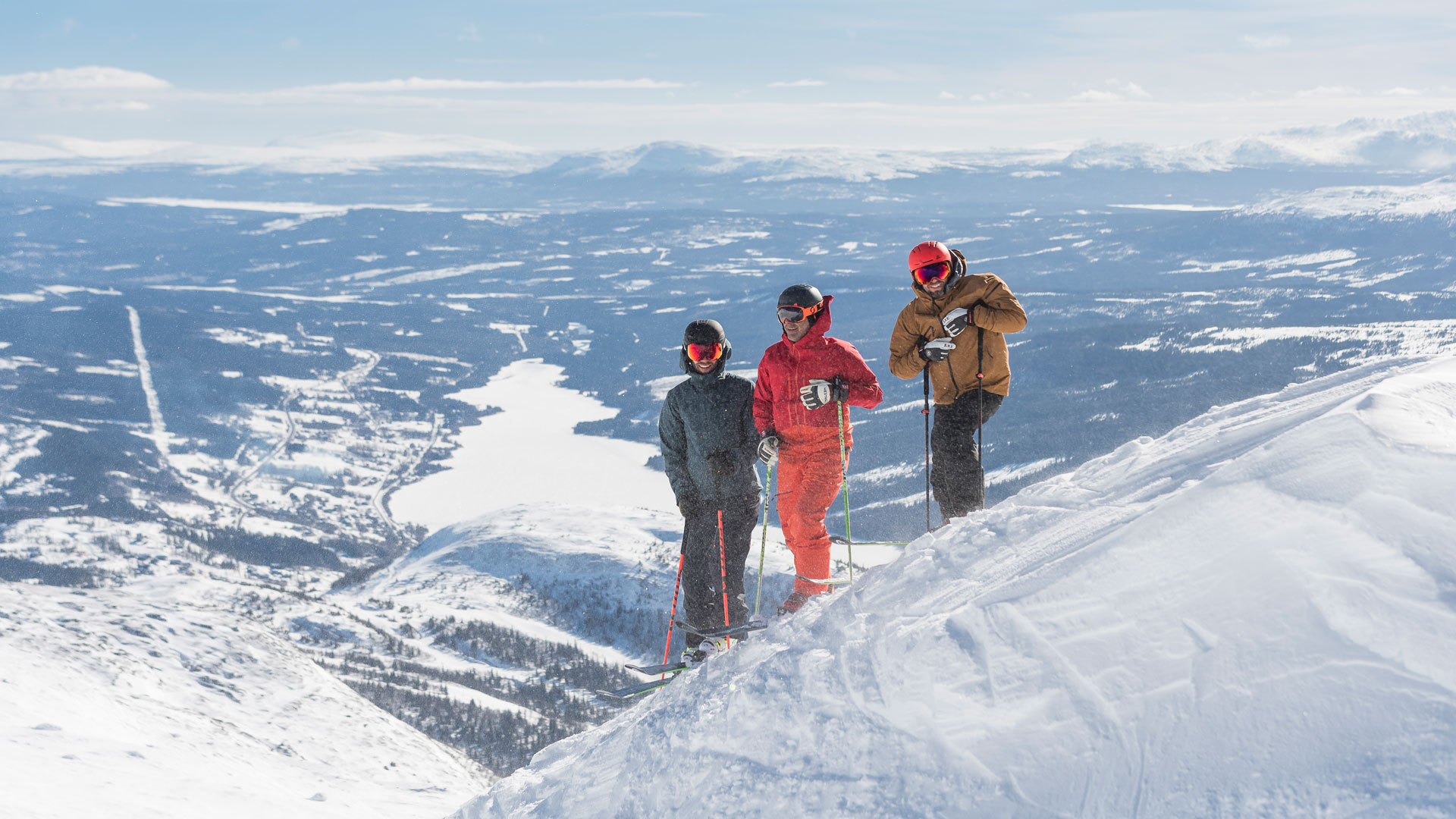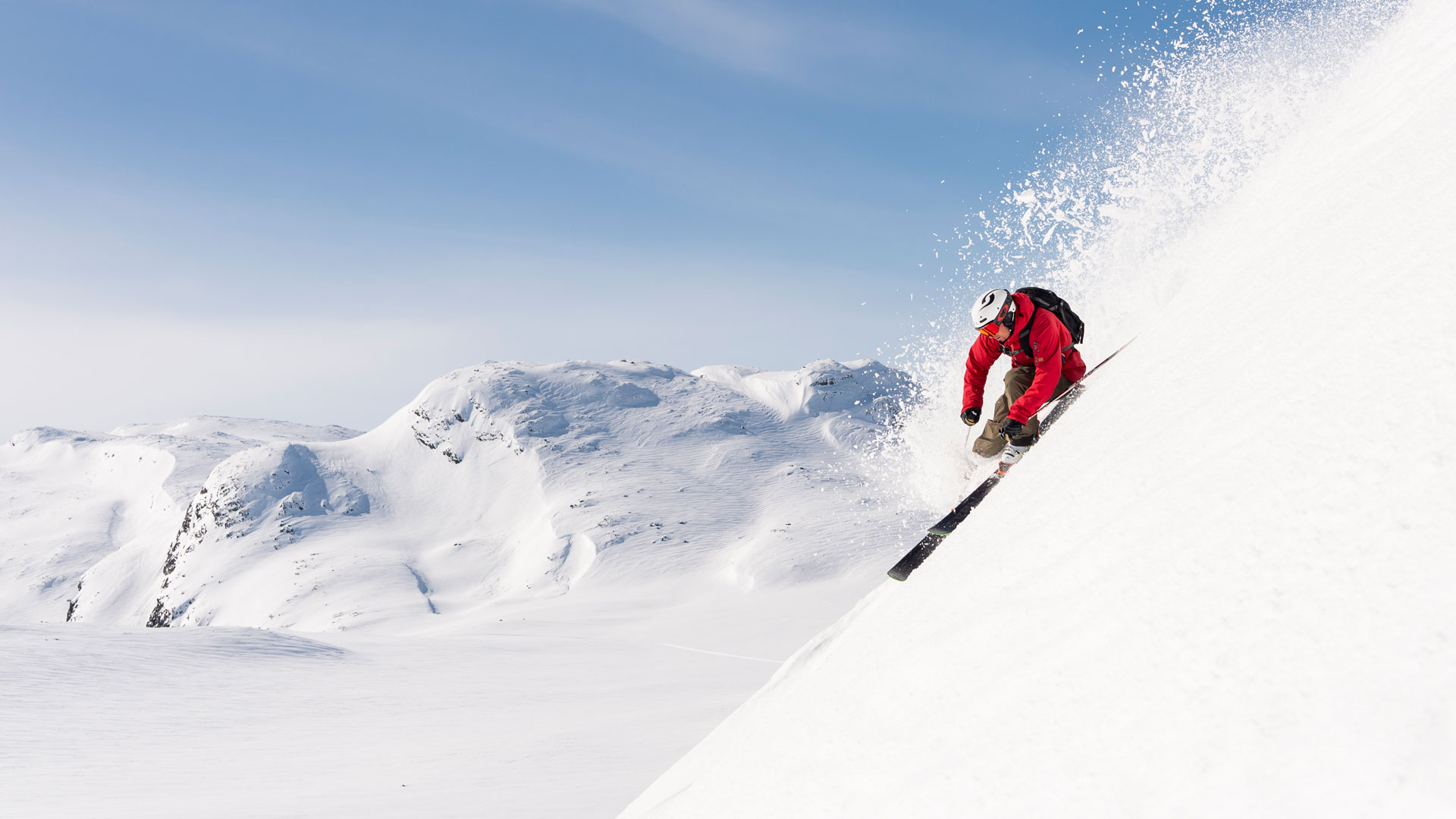
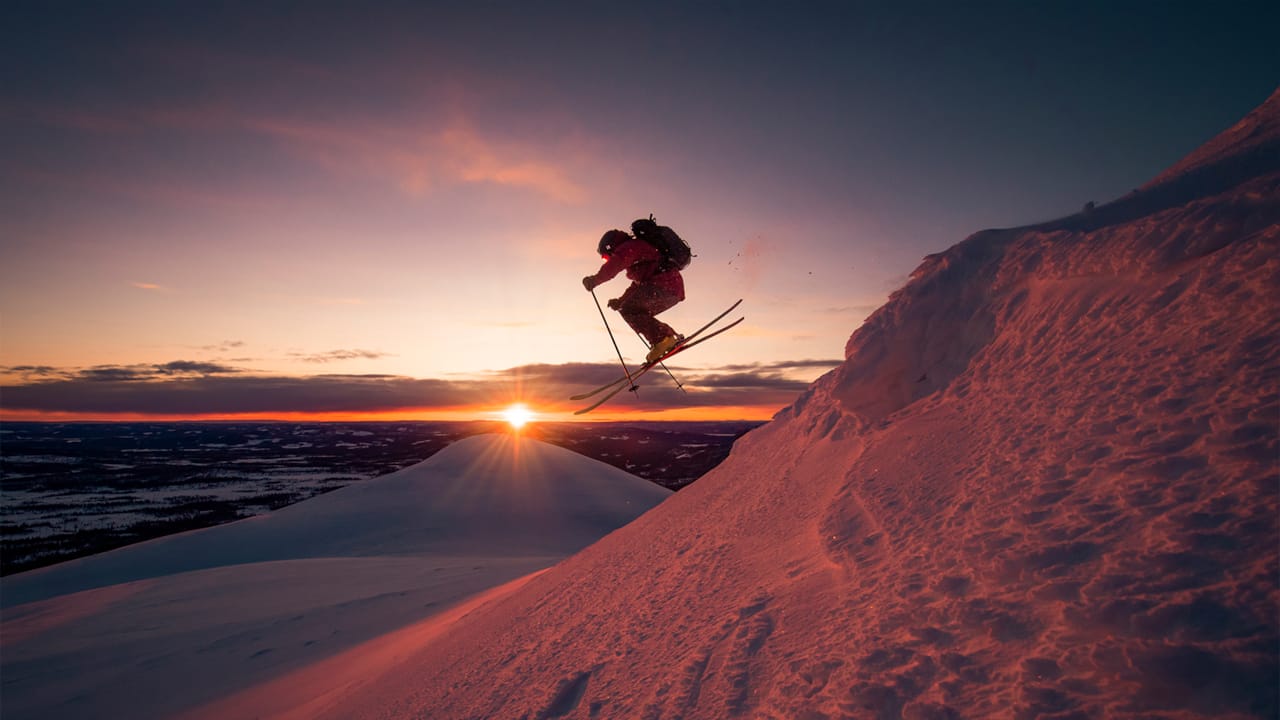
Off-piste skiing – skiing beyond marked runs
Off-piste skiing gives you the chance to experience the mountain beyond groomed slopes, with natural snow, more varied skiing and new challenges. At the same time, skiing off-piste requires knowledge, the right equipment and respect for weather, terrain and local conditions.
What is off-piste skiing?
Off-piste skiing means skiing outside groomed runs. It can include short sections of ungroomed snow close to the ski area, wooded areas between slopes or more demanding mountain terrain where snow conditions, visibility, gradient and avalanche risk must be assessed carefully.
For many skiers, the appeal lies in the sense of freedom, the natural snow and the variety of the terrain. At the same time, off-piste skiing is different from skiing on groomed slopes. The surface can change quickly, visibility may be limited, and the terrain can be difficult to read if you are not used to it.
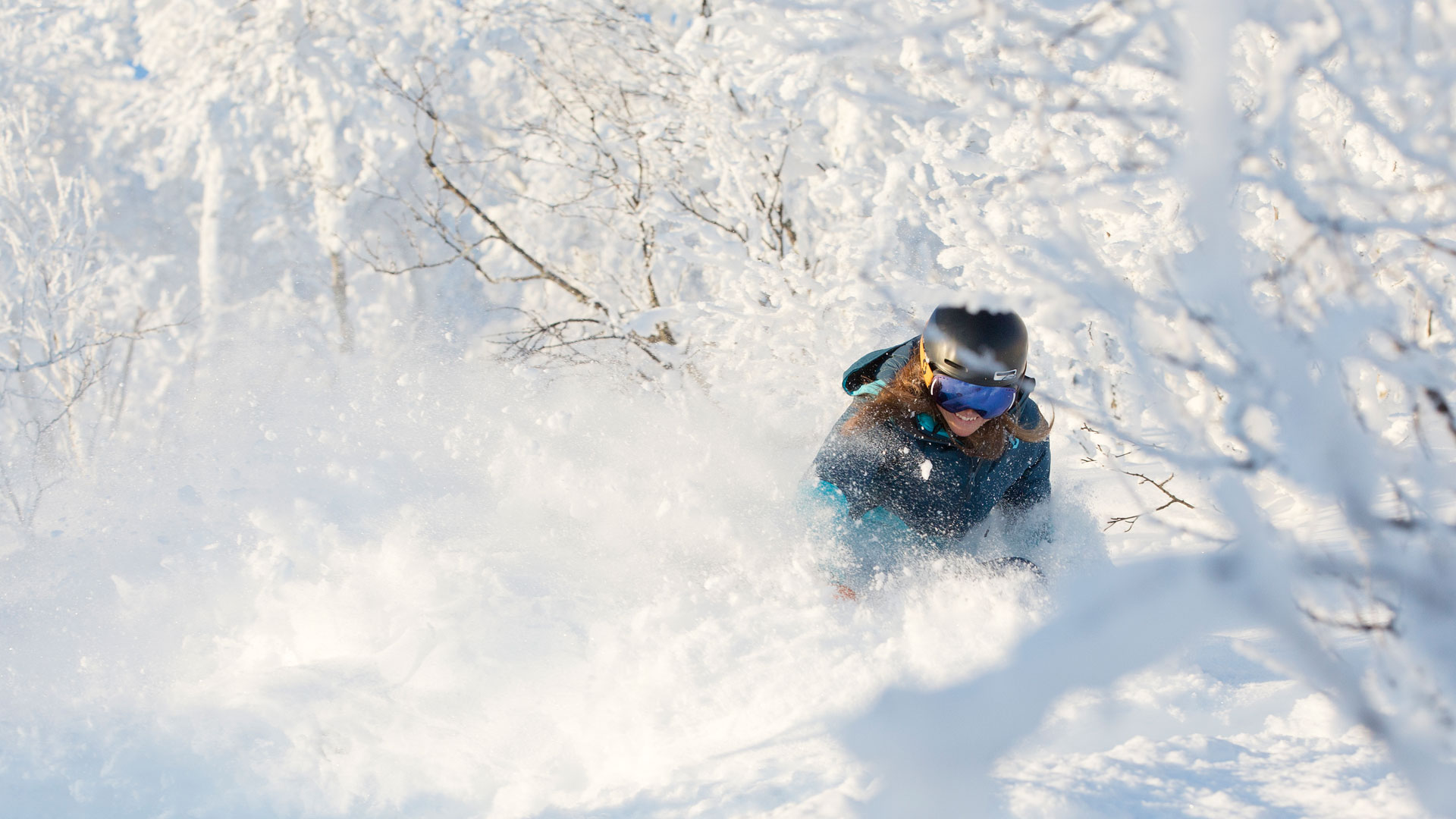
Safety, equipment and responsibility
When skiing off-piste, you are responsible for assessing the conditions, choosing suitable terrain and having the knowledge required. Always check local rules, signs, weather forecasts and avalanche information before leaving the groomed slopes.
Never ski alone, adapt your skiing to your level, and use equipment suited to the terrain. In avalanche terrain, you need avalanche equipment, knowledge of how to use it and the ability to make safe decisions together with the people you are skiing with.
Also check what your travel insurance covers before skiing off-piste. Terms can vary, especially when skiing without a guide or outside the ski area’s marked area.
Learn off-piste skiing with a course or guide
If you want to try off-piste skiing but lack experience, a course or guide is a safe way to start. You get help with technique, terrain choice, safety and how to adapt your skiing to the snow and conditions.
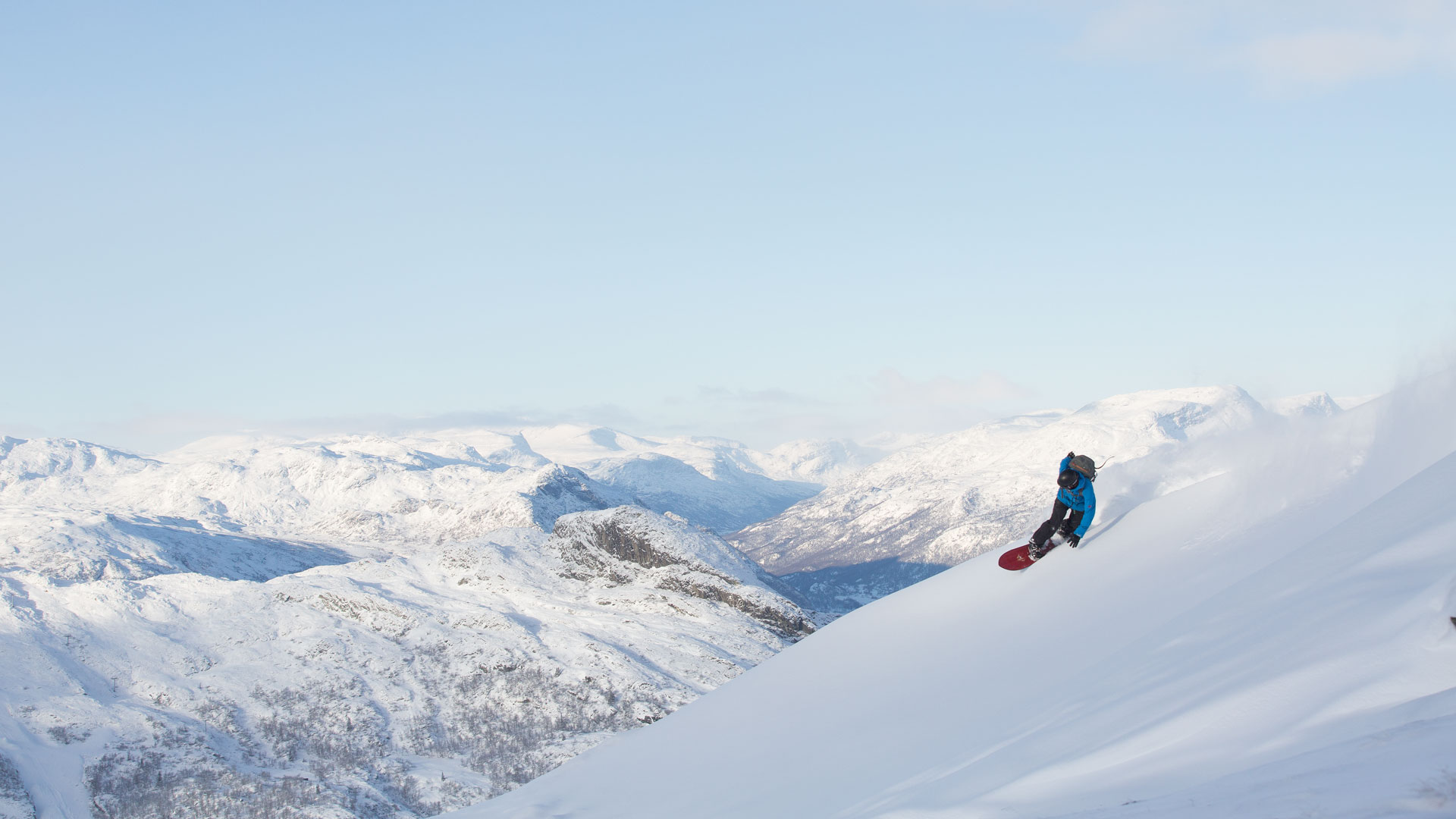
If you want to take the next step and move uphill on skis as well, ski touring can be a natural complement to off-piste skiing. Ski touring combines skiing with travelling uphill and places even greater demands on knowledge, planning and equipment.
Off-piste skiing in Scandinavia
Several of Scandinavia’s largest ski destinations offer opportunities for skiers who want to explore off-piste skiing. Terrain, snow conditions and local rules vary between destinations, so always read the latest information for the ski area you are visiting.
Off-piste skiing in Norway
In Norway, you will find several ski destinations where off-piste skiing can be an exciting complement to groomed runs. Off-piste skiing in Trysil is often easily accessible close to the ski area, while off-piste skiing in Hemsedal offers more alpine mountain terrain for experienced skiers looking for greater variety.
Off-piste skiing in Sweden
In Sweden, you can find everything from shorter sections of ungroomed snow close to the ski area to more varied mountain terrain. Off-piste skiing in Åre is suited to skiers who want to explore more demanding terrain and have experience skiing beyond the slopes.
In Sälen, there are also opportunities for ungroomed skiing when snow and local conditions allow. See our best skiing tips in Sälen for more inspiration for your ski holiday.
Frequently asked questions about off-piste skiing
Off-piste skiing means skiing outside groomed runs. It can involve ungroomed snow close to the ski area or more demanding terrain where snow conditions, visibility and safety must be assessed carefully.
Off-piste skiing and freeride are often used for the same type of skiing. Off-piste mainly means skiing outside groomed runs, while freeride is often used more broadly for skiing freely in natural terrain.
Off-piste skiing is not suitable for complete beginners. You should be able to control your speed, turns and stops in varied snow before leaving groomed runs. For your first time, a course or guide is a safe choice.
An off-piste guide from SkiStar Guides helps you develop your technique, choose suitable terrain and adapt your skiing to the day’s conditions. With local knowledge and experience, the guide helps the group ski in a safer and more considered way.
You need equipment suited to the terrain and snow conditions. In loose or deep snow, wider skis or a snowboard designed for freeride/off-piste skiing can give better float. In avalanche terrain, an avalanche transceiver, probe and shovel are required. Never ski alone, and make sure someone knows where you plan to go.
Choose your off-piste area

Find your off-piste experience
-
Off-piste for kids
The most fun off-piste skiing in Trysil. For children 8-13 years.
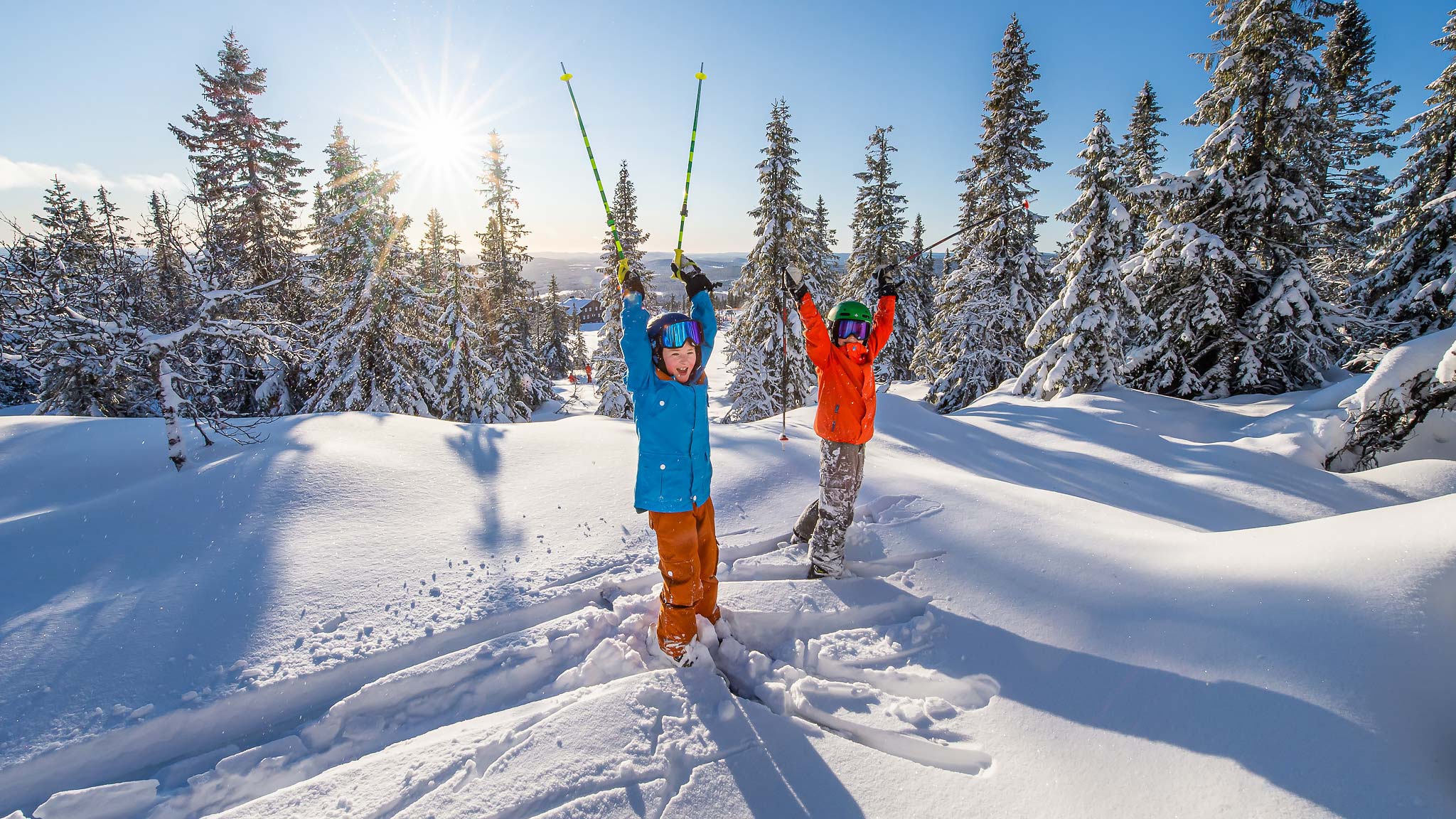
Off-piste for kids![Two happy children skiing in fresh snow, surrounded by snow-covered trees and a sunny winter landscape]()
-
Off-piste for the whole family
Trysil’s most fun off-piste skiing for the whole family.
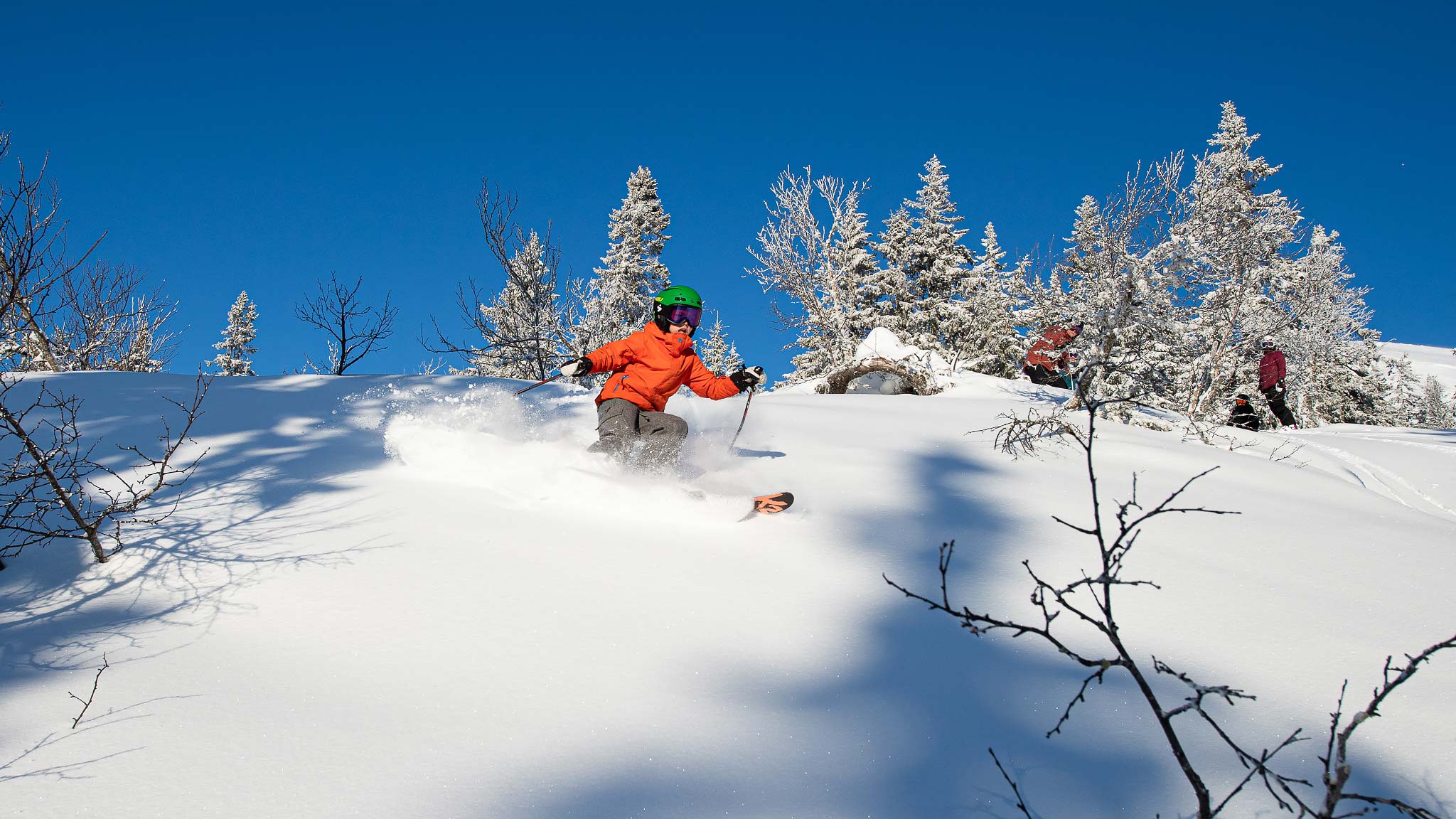
Off-piste for the whole family![A person is skiing in deep snow down a slope surrounded by snow-covered trees under a clear blue sky]()
-
Off-piste for beginners
Off-piste courses in Trysil for beginners and progression.
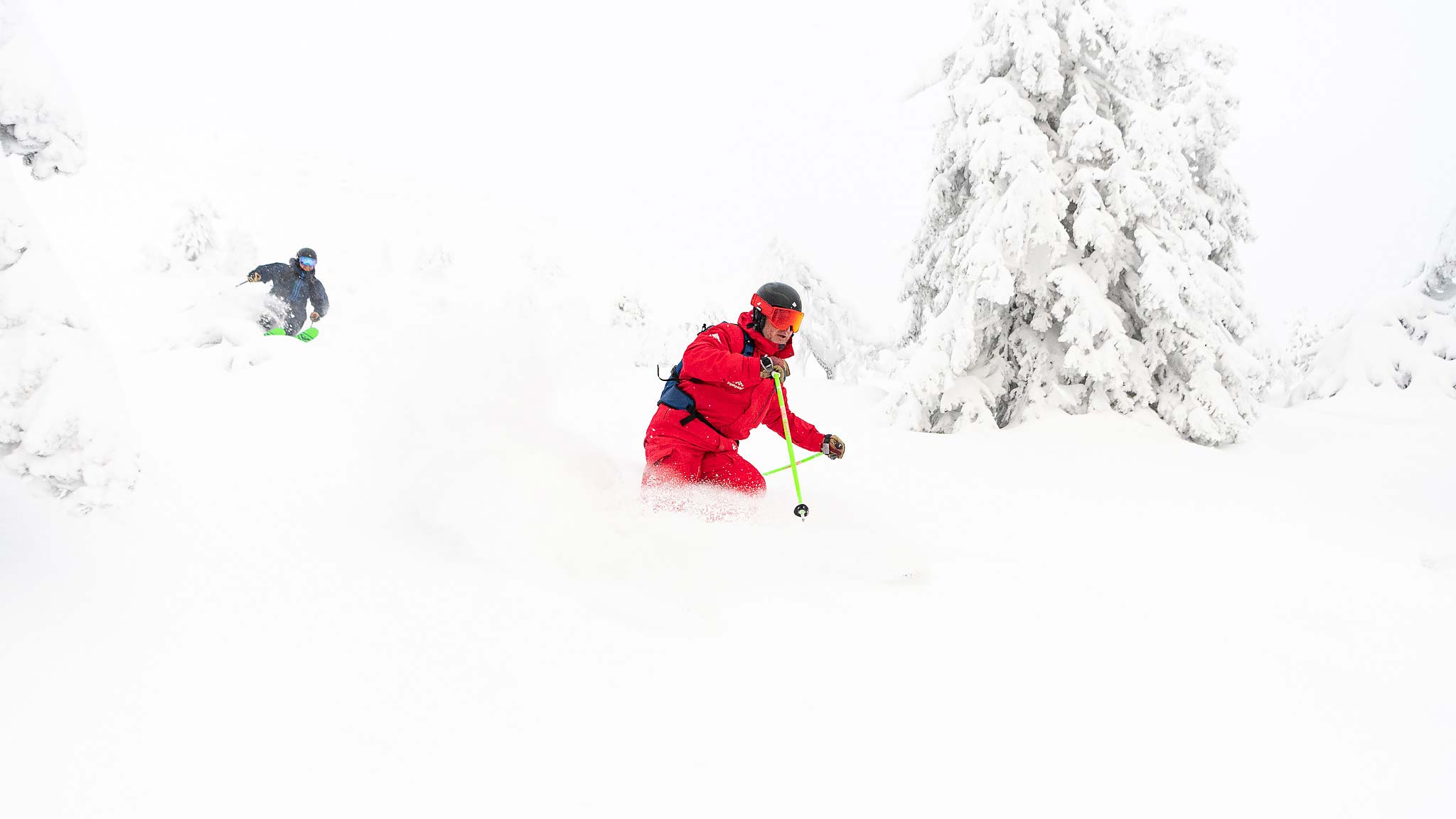
Off-piste for beginners![Two people are skiing in deep snow among snow-covered trees in a winter landscape]()
-
Off-piste for teens
Playful off-piste skiing in Trysil for young people aged 12 to 15.
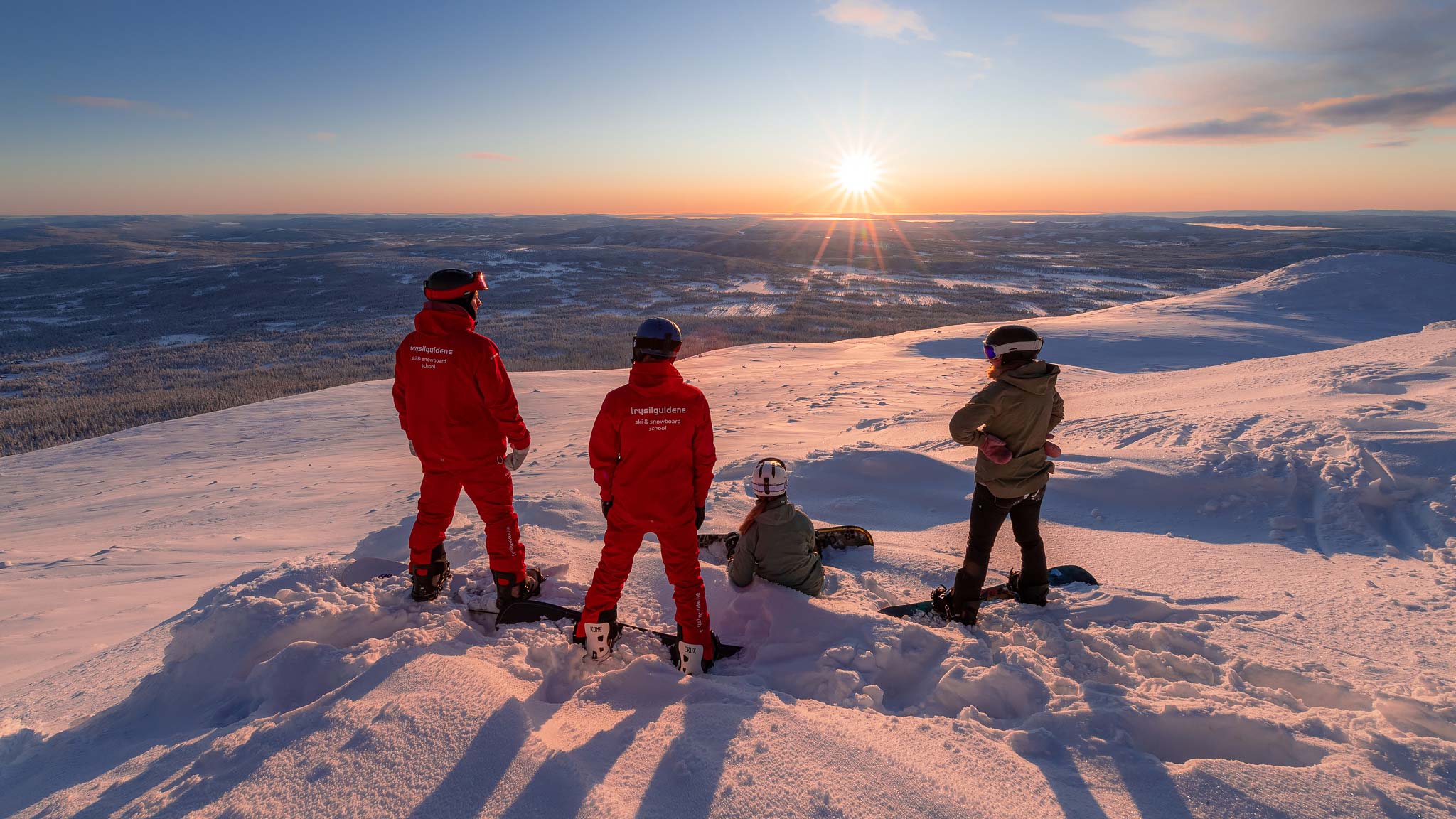
Off-piste for teens![Four people in winter clothing are standing and sitting on a snow-covered mountain top, watching the sunset over a vast landscape]()
-
Off-piste snowboarding
Develop your snowboarding in Åre’s untouched snow beyond the slopes.
Off-piste snowboarding![Snowboarder in a winter landscape with snow-covered trees in the background]()
-
Off-piste courses in Åre
Guided off-piste skiing for several levels – from intro to more challenging terrain.
Off-piste courses in Åre![Person skiing through deep snow in a snow-covered forest]()
-
Baksidan off-piste on Åreskutan
Explore the back side of one of Sweden’s most classic off-piste areas.
Baksidan off-piste on Åreskutan![Three skiers on a snow-covered mountain peak with a vast winter landscape in Åre, Sweden]()